paint correction fort worth

Expert Guide to Paint Correction for Scratched Cars

January 21, 202611 min read

paint correction fort worth

Custom HTML/CSS/JAVASCRIPT

Scratches and swirl marks don’t just make a car look “older.” They also scatter light, kill gloss, and (in some cases) open the door to oxidation and rust later. The good news: a lot of “scratched paint” is actually damage in the clear coat that can be corrected safely with the right process.

This guide breaks down scratch types, how to identify them, the exact paint correction steps pros use, realistic DIY options, when to stop and call a professional, what it costs, and how to keep the paint looking right afterward.

What Are the Different Types of Scratches on Car Paint and How Can You Identify Them?

Before you touch a polisher, you need to figure out what layer is actually damaged—because correction only works on defects that can be removed safely without burning through clear coat.

Quick ways to identify scratch depth

  • Fingernail test: Lightly drag a clean fingernail across the scratch.If it doesn’t catch: often surface-level / clear coat haze or very light scratch.If it catches: likely deeper into clear coat, or below it.

  • Color change:White/gray line: often clear coat “stress” or scuffing (can still be deep).Body-color showing but still rough: clear coat may be compromised.Different color (gray primer or silver metal): you’re past paint—correction alone won’t “fix” it.

  • Lighting: Use a strong LED or direct sunlight. Swirls show up as circular spiderwebbing.

What Are Surface, Clear Coat, Primer, and Deep Scratches?

Think of your paint system like a layer cake:

  • Surface marring (top of clear coat):Looks like haze, light scuffs, wash marks, “ghost scratches. ”Usually correctable with a polish or a mild compound.

  • Clear coat scratches: Deeper lines you can often feel slightly. Usually correctable, but may require compounding and multiple passes.

  • Basecoat (color coat) damage: If the scratch has a “colored edge” or looks like it penetrated deeper, correction may reduce visibility but not fully remove it.

  • Primer/metal deep scratches: You’ll see gray primer or shiny metal. Paint correction can improve surrounding gloss, but the scratch needs touch-up paint / repaint if you want it truly gone (and to prevent corrosion).

How Do Swirl Marks Affect Car Paint and How to Recognize Them?

Swirl marks are usually caused by improper washing/drying (dirty mitts, automatic brushes, cheap towels, wiping dust off dry paint). They are thousands of micro-scratches in the clear coat that reflect light in every direction—so the paint looks dull and “spiderwebby.”

How to recognize them:

  • In sun/LED light, you’ll see circular trails around reflections.

  • Dark colors show swirls aggressively (black is basically a swirl spotlight).

  • The surface may still feel smooth—swirls can be visual without being tactile.

What Is the Step-by-Step Paint Correction Process for Scratched Cars?

Paint correction is basically: clean the paint perfectly → level the clear coat carefully → refine → protect. Skipping the cleaning/decon steps is how people grind contaminants into paint and make it worse.

1) Assess and prepare the car

Goal: Start with paint that’s clean enough to polish without dragging grit across it.

Prep checklist:

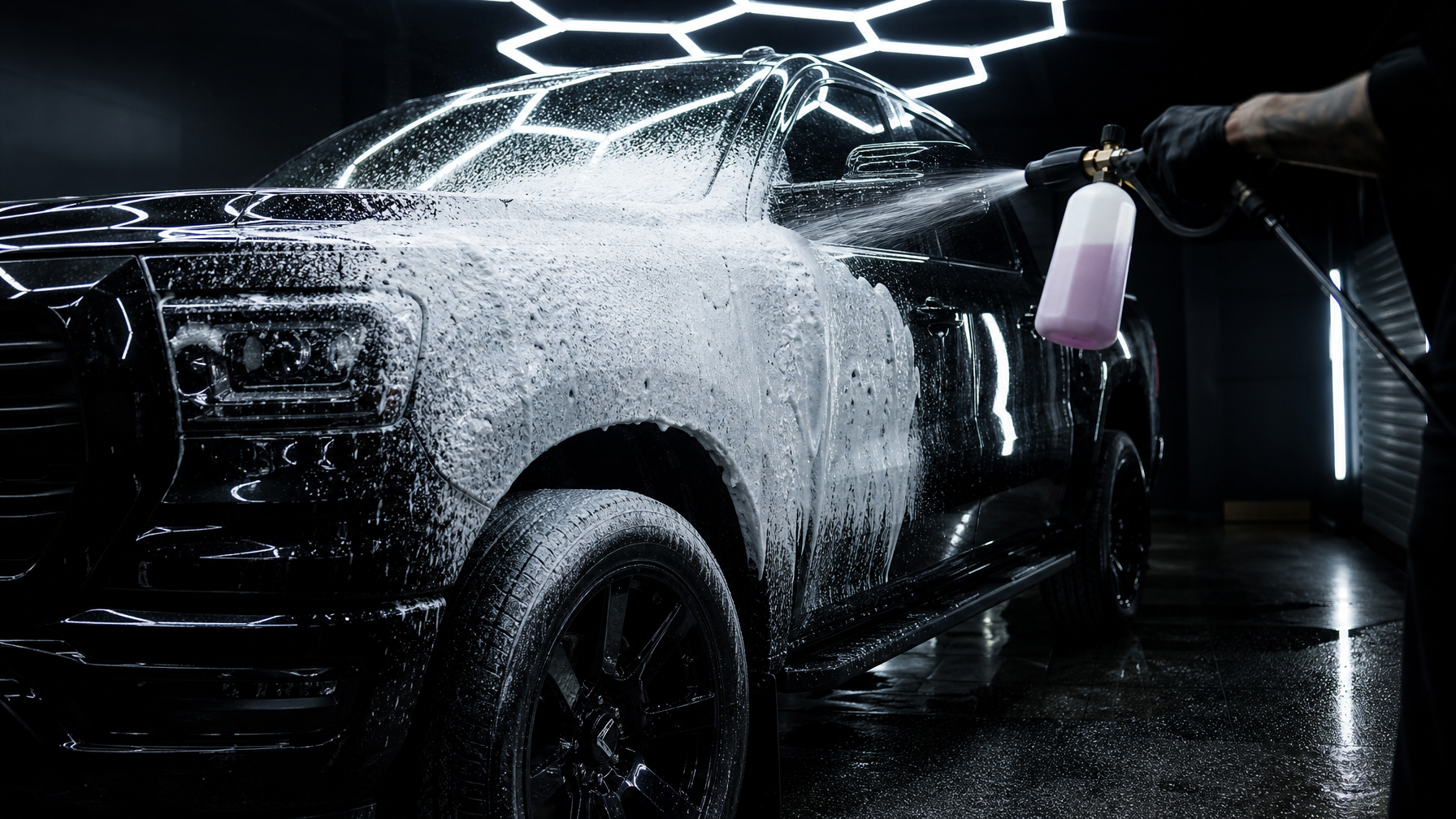
  • Thorough wash (preferably pH-neutral shampoo)

  • Chemical decontamination (iron remover) if needed

  • Clay bar or clay mitt (only after wash)

  • Dry fully (use a clean drying towel + drying aid if you have it)

  • Tape off sensitive areas: rubber trim, badges, sharp edges, textured plastics

  • If you have one: use a paint thickness gauge (especially on older/unknown paint)

2) Do a “test spot”

Pros do not compound an entire vehicle blind. They test a small section first to choose the least aggressive combo that gets the result.

  • Start with polish + medium/finishing pad

  • If defects remain, step up to compound + cutting pad

  • Then refine back down with a finishing polish if needed

3) Correct using compounding, polishing, and sealing

This is the core correction workflow:

Compounding (heavy defect removal)

  • Used for deeper swirls/scratches in clear coat

  • Removes more material (clear coat) faster

  • Can leave haze/micro-marring that must be refined

Polishing (refining + gloss restoration)

  • Removes light defects left by compounding

  • Brings clarity and depth back

  • This is where paint starts looking “wet” again

Sealing/protecting (locks in the finish)

After correction, unprotected paint will swirl up again quickly. Protection options:

  • Quality sealant (easy, durable)

  • Wax (nice glow, less durability)

  • Ceramic coating (best longevity + easier maintenance when done right)

How Can You Fix Car Scratches Yourself Using DIY Paint Correction Techniques?

DIY can absolutely improve paint—if you’re realistic:

  • You can remove or significantly reduce a lot of clear coat scratches and swirls.

  • You cannot “polish out” scratches that are through paint into primer/metal.

  • The main DIY risk is burning through edges or creating haze/holos.

What Tools and Materials Are Needed for DIY Paint Correction?

Minimum workable kit (hand + basic):

  • Quality wash supplies (bucket, mitt, shampoo)

  • Clay bar or clay mitt + clay lube

  • Microfiber towels (good ones, plenty of them)

  • Scratch remover or polish

  • Foam applicator pads

Recommended DIY kit (best results):

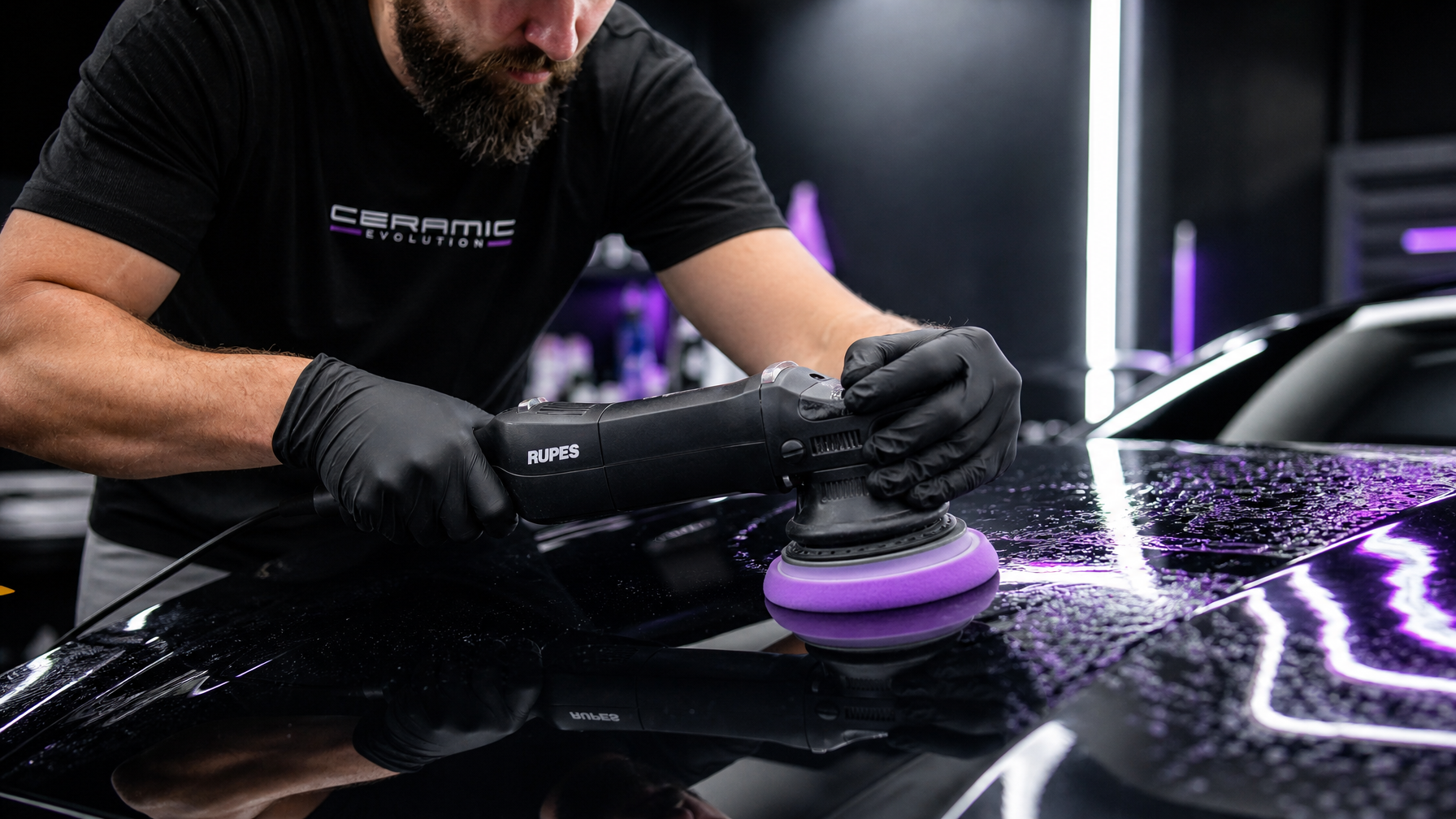
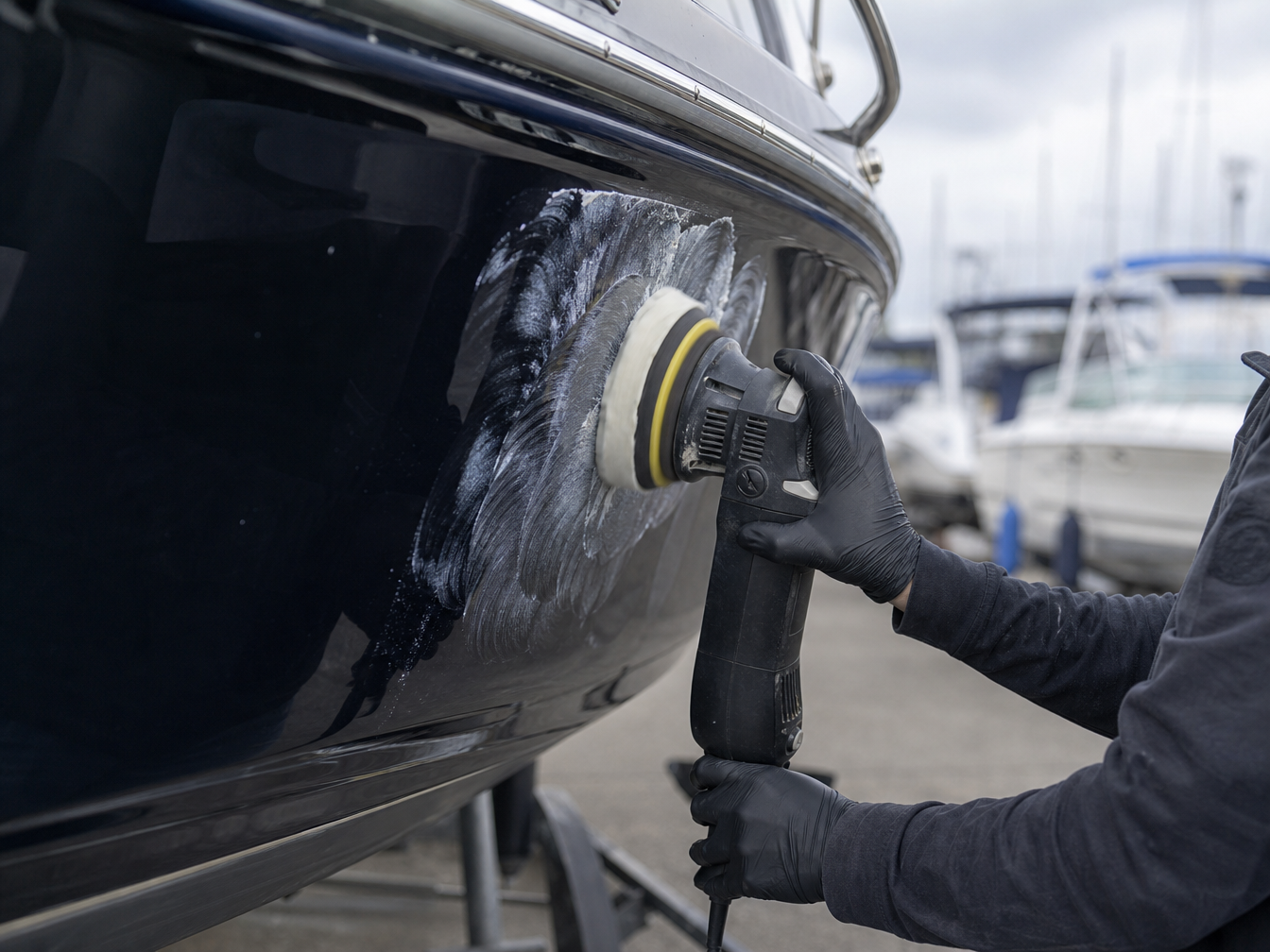
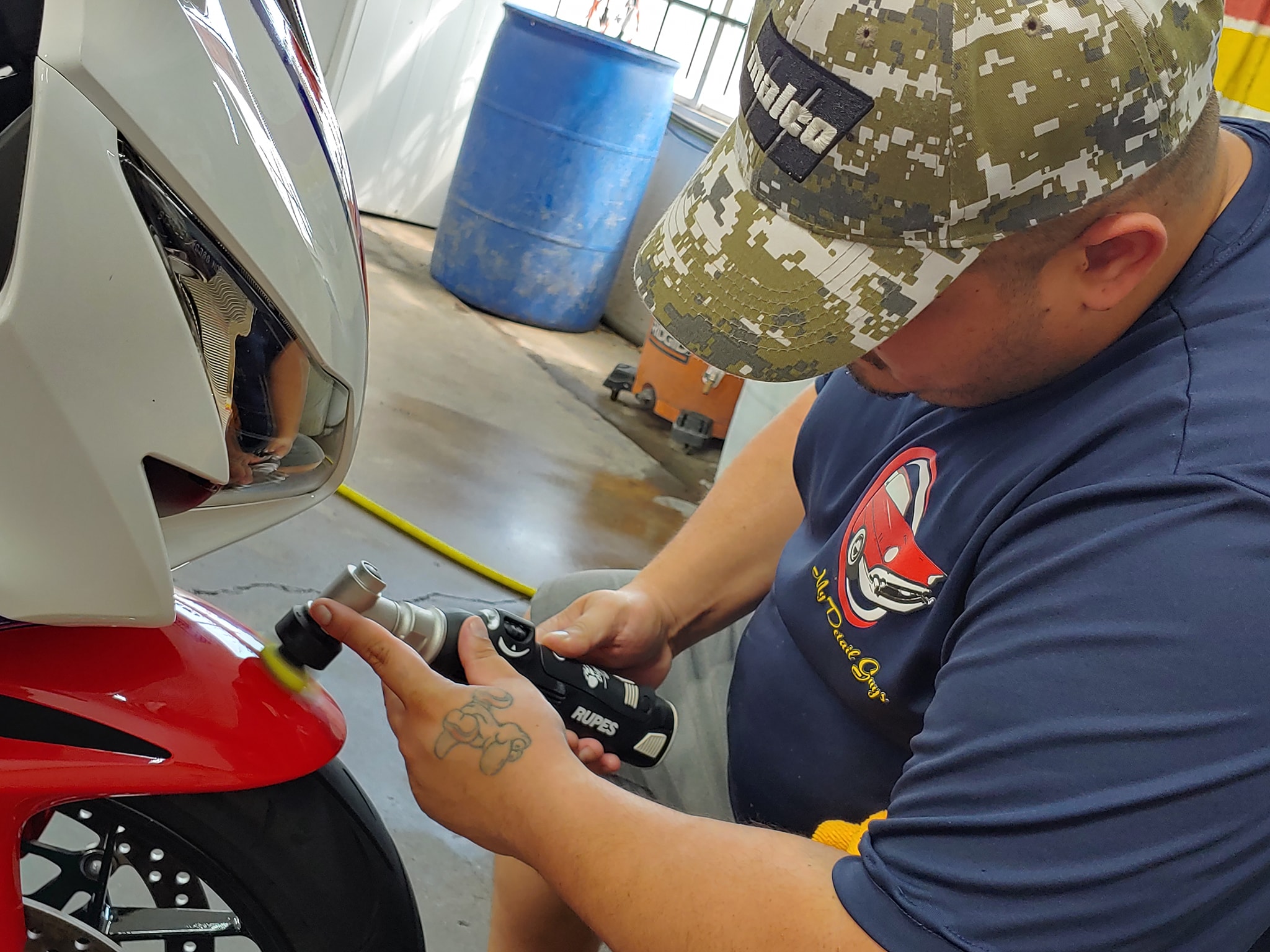
  • Dual-action (DA) polisher (safer than rotary)

  • Pad set (cutting + polishing + finishing pads)

  • Compound + polish (two-step capability)

  • Painter’s tape for masking

  • Strong LED inspection light

  • IPA wipe or panel prep solution (for checking real results)

  • Optional: paint thickness gauge (especially for older vehicles)

Step-by-Step DIY Paint Correction Methods and Safety Tips

DIY method (DA polisher version):

  • Wash + decon + clay

  • Mask trims and edges

  • Test spot (least aggressive first)

  • Work in 2’x2’ sections

  • Use proper pad priming and controlled pressure

  • Keep the pad clean (brush it or swap pads often)

  • Wipe residue with clean microfiber

  • Inspect under good light

  • If compounded, follow with a finishing polish

  • Apply protection (sealant/wax/coating)

Safety tips (don’t skip):

  • Don’t polish hot paint in direct sun (product flashes, pads hop, risk increases)

  • Avoid heavy pressure on sharp body lines and edges

  • Keep pads flat—tilting digs in and can burn through

  • Wear gloves/eye protection when using chemicals

  • If you hit primer/metal: stop and plan touch-up or repair

paint correction techniques

What Are the Best Car Polishes and Scratch Repair Kits for Effective Paint Correction?

“Best” depends on the defect severity and whether you’re working by hand or machine.

Which Types of Car Polish Are Best for Different Scratch Levels?

  • Finishing polish: light haze, minor swirls, maximum gloss

  • Medium polish / one-step polish: moderate swirls, daily driver correction

  • Compound (heavy cut): heavier swirls, deeper clear coat scratches

  • All-in-one (AIO): light correction + protection in one product (good for quick improvement)

Reality check: Hand-applied products can improve a lot, but machine correction is where true clarity and defect removal happens.

How to Choose and Use Scratch Repair Kits for DIY Paint Correction

Scratch kits are best for:

  • Small isolated scratches

  • Scuffs and paint transfer

  • Quick cosmetic improvement

Look for kits that include:

  • A mild abrasive compound or polish

  • Proper applicators

  • Clear instructions

  • Optional: touch-up paint if the scratch is through to primer

Avoid expecting miracles from:

  • “Miracle wipe” products

  • Super cheap kits with rough applicators

  • Anything that promises “permanent removal” without abrasion (that’s not how paint leveling works)

When Should You Choose Professional Paint Correction Services Over DIY Methods?

Choose a pro when:

  • Your car has heavy swirls across every panel

  • You want a high-end finish (especially on black/dark paint)

  • You have deep defects and you’re not sure what layer is damaged

  • The vehicle has thin/unknown paint history

  • You plan to install a ceramic coating and want it done correctly

  • You don’t want to risk burning edges or leaving haze

Benefits of Professional Paint Correction Services

A proper pro job usually includes:

  • Correct wash/decon technique (no grinding contaminants)

  • Measured, intentional paint removal (not guesswork)

  • Proper pad/product selection per panel

  • Refinement steps for maximum clarity

  • Protection options that actually last

How Much Does Professional Paint Correction Cost and How Long Does It Take?

Costs vary by vehicle size, paint condition, and correction level. Realistic ranges:

  • One-step correction (improve gloss, reduce swirls): 4–8 hours

  • Two-step correction (compound + polish, higher clarity): 8–15+ hours

  • Multi-stage / wet sanding (severe defects): can take 15–25+ hours

Pricing often falls into ranges like:

  • One-step: a few hundred to mid-hundreds

  • Two-step / heavier: mid-hundreds to over a thousand

  • Extreme correction / specialty: can go higher depending on severity and expectations

If you’re positioning this for My Detail Guys: you can lean into your mobile convenience + premium services angle and tie the CTA directly to booking a correction or pairing it with a ceramic coating.

How to Maintain Your Car’s Paint After Correction to Prevent Future Scratches?

Most swirls come from bad wash habits. Paint correction is not “one and done” if the washing routine stays the same.

Best Washing and Waxing Techniques to Protect Corrected Paint

  • Two-bucket method (or rinseless wash done correctly)

  • Use a quality microfiber wash mitt

  • Pre-rinse heavy grit before touching paint

  • Dry with a proper drying towel (don’t use bath towels)

  • Use a drying aid / quick detailer to reduce friction

  • Avoid automatic brush washes if you care about paint

  • Top up protection every few months (sealant/wax) or maintain your coating if coated

How Does Ceramic Coating Compare to Paint Correction for Long-Term Protection?

This is where a lot of people get it wrong:

  • Paint correction = fixes the look by leveling defects in clear coat.

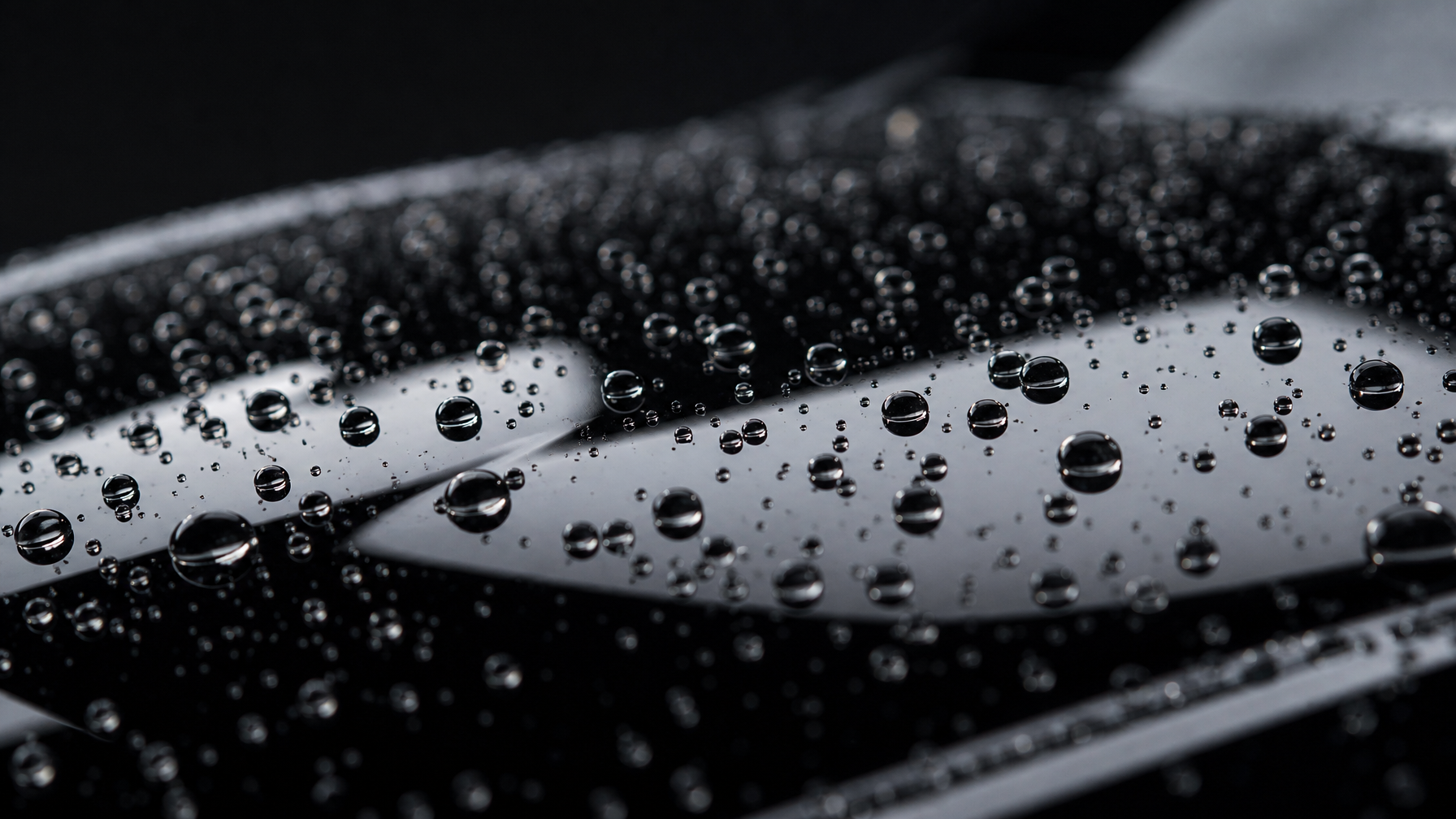
  • Ceramic coating = helps keep it looking that way by adding a durable protective layer that resists chemicals, UV, and makes washing easier.

Ceramic does not magically remove scratches. If the paint is swirled and you coat it, you’re basically sealing in the swirls.

Best combo for long-term results:✅ Paint correction → ✅ ceramic coating → ✅ proper maintenance washing

Frequently Asked Questions

1. What is the difference between paint correction and ceramic coating?

Paint correction is a process that removes imperfections from the car's clear coat, such as scratches and swirl marks, to restore its original shine. In contrast, ceramic coating is a protective layer applied over the corrected paint to shield it from environmental damage, UV rays, and dirt. While paint correction improves the appearance of the paint, ceramic coating helps maintain that appearance over time. For optimal results, it's best to perform paint correction before applying a ceramic coating.

2. How often should I perform paint correction on my car?

The frequency of paint correction depends on several factors, including your car's exposure to the elements, washing habits, and the type of paint. Generally, a well-maintained vehicle may require paint correction every 1-3 years. However, if you notice significant scratches, swirl marks, or dullness, it may be time to consider a correction sooner. Regular maintenance, such as proper washing and waxing, can help prolong the need for correction.

3. Can I use household products for DIY paint correction?

While some household products may seem like a quick fix for minor scratches, they are not recommended for effective paint correction. Products like baking soda or vinegar can be abrasive and may damage the clear coat further. It's best to use specialized automotive polishes and compounds designed for paint correction. These products are formulated to safely remove imperfections without harming the paint, ensuring better results and protecting your vehicle's finish.

4. What are the risks of DIY paint correction?

DIY paint correction can be rewarding, but it comes with risks. The most significant risk is damaging the clear coat by using excessive pressure or incorrect techniques, which can lead to burning through the paint or creating haze. Additionally, improper product selection can result in inadequate correction or further scratches. To minimize risks, it's essential to follow proper techniques, use the right tools, and start with a test spot to gauge the effectiveness of your approach.

5. How can I tell if my car needs professional paint correction?

If your car has extensive swirl marks, deep scratches, or a dull appearance that DIY methods cannot improve, it may be time to seek professional help. Additionally, if you're unsure about the depth of the damage or the type of correction needed, a professional can assess the situation and recommend the best course of action. Professionals have the experience and tools to achieve a high-quality finish, especially on dark or high-end paints.

6. What should I do if I accidentally damage my car's paint during correction?

If you accidentally damage your car's paint during the correction process, the first step is to stop working immediately to prevent further damage. Assess the extent of the damage; if it's minor, you may be able to fix it with a finer polish or by reapplying a protective layer. For more significant damage, such as burning through the clear coat, you may need to consult a professional for repair options, including touch-up paint or a complete repaint.

7. Are there specific weather conditions to avoid when performing paint correction?

Yes, it's best to avoid performing paint correction in direct sunlight or extreme temperatures. Hot surfaces can cause products to dry too quickly, leading to uneven results and increased risk of damage. Ideally, work in a shaded area or indoors where the temperature is moderate. Additionally, ensure the paint surface is cool to the touch before starting the correction process to achieve the best results and minimize the risk of burning through the clear coat.

Conclusion

Effective paint correction can significantly enhance your vehicle's appearance by removing scratches and restoring gloss, ultimately protecting your investment. By understanding the types of scratches and employing the right techniques, you can achieve professional-level results, whether through DIY methods or by hiring experts. Don't let imperfections diminish your car's beauty; take action today to restore its shine and protect it for the future. Explore our premium paint correction services and elevate your vehicle's look now.

Want advice from a pro? Click Here to schedule a consultation with Fort Worth's most trusted name in all things paint correction and ceramic coating: My Detail Guys.

Back to Blog