
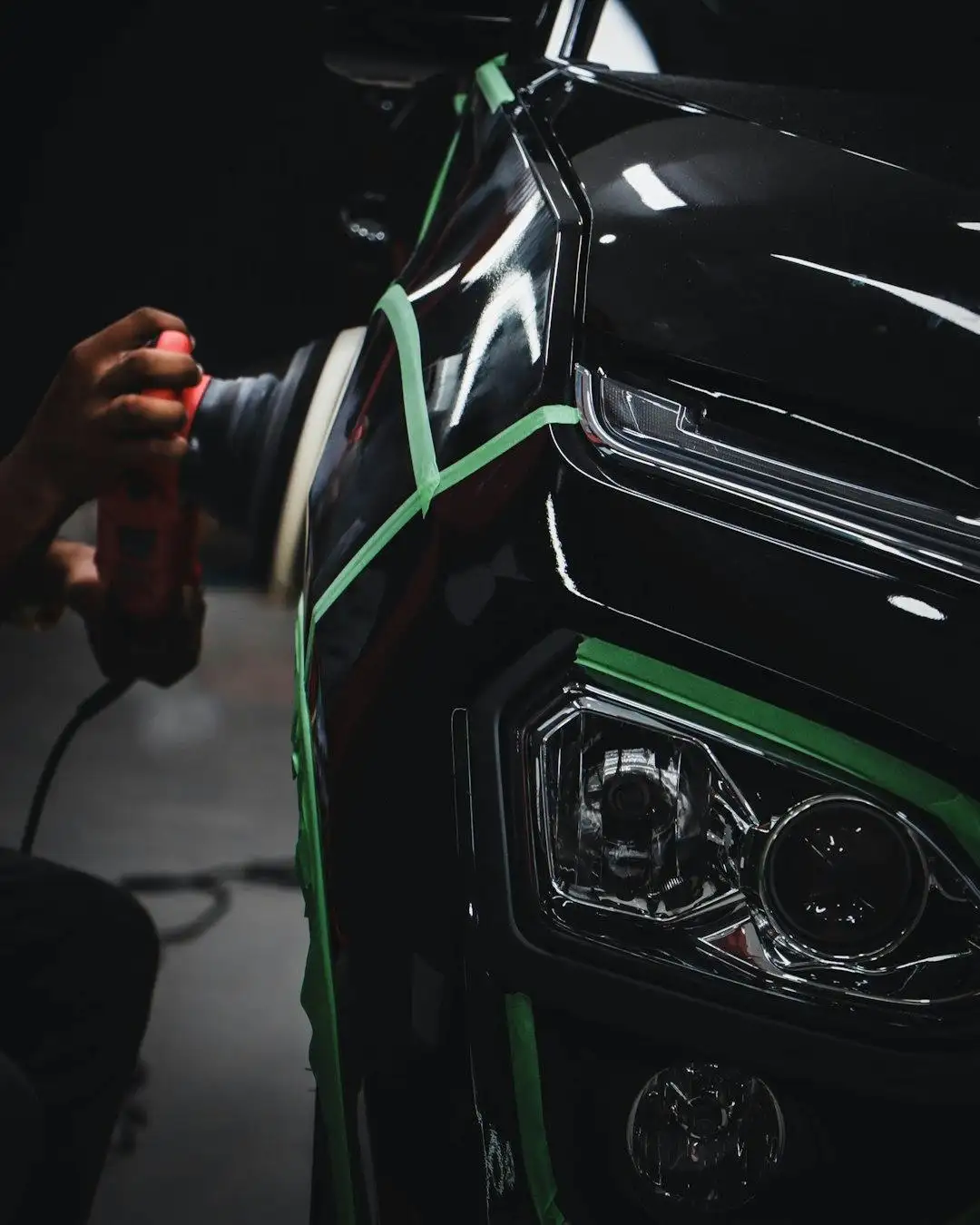
Professional Auto Detailing in Fort Worth – Mobile & Shop Services
20+ Years of Excellence | Same-Day Availability | Eco-Friendly Products | Transparent Pricing
Transform your vehicle with Fort Worth’s trusted detailing experts. We bring professional car care to your door or welcome you to our shop. From complete interior and exterior detailing to premium ceramic coating, we deliver showroom results backed by two decades of experience.
Why Choose My Detail Guys for Your Fort Worth Vehicle?
We’ve been making Fort Worth vehicles shine for over 20 years. Whether you own a car, truck, boat, RV, or motorcycle, our certified technicians deliver meticulous attention to every detail. We understand Texas weather takes a toll on your car’s finish, and we’re here to restore and protect it.
What Sets Us Apart?
20+ Years of Proven Expertise
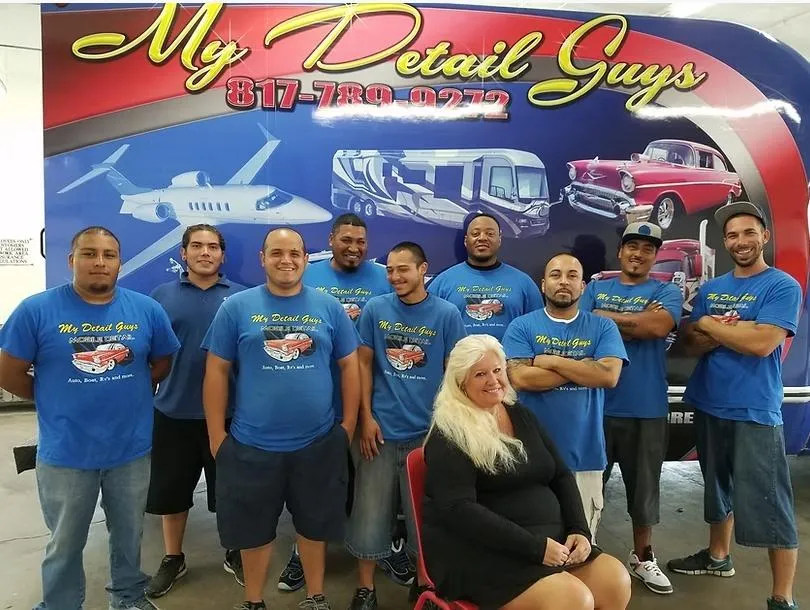
Since 2003, we’ve detailed thousands of vehicles across Arlington, and surrounding communities. Our team stays current with the latest techniques, from paint correction to advanced ceramic coating application. Every vehicle receives the careful attention it deserves.
Certified Recon Techs Aircraft Detailers
Our technicians have gone through extensive training before they ever touch your vehicle of any type. Our clients that have aircraft, rest assured, our technicians are fully prepared with proper training and certifications.
Mobile Convenience That Fits Your Schedule
No time to visit a shop? We come to you—at home, work, or anywhere in the Fort Worth metro area. Our fully equipped mobile units deliver the same professional results you’d get at our facility. Same day appointments available for most services.
Transparent Pricing, No Surprises
Every service includes a detailed explanation of what’s included. We provide upfront quotes based on your vehicle size and condition, with no hidden fees. You’ll know exactly what to expect before we begin.
Our Most Popular Fort Worth
Detailing Services
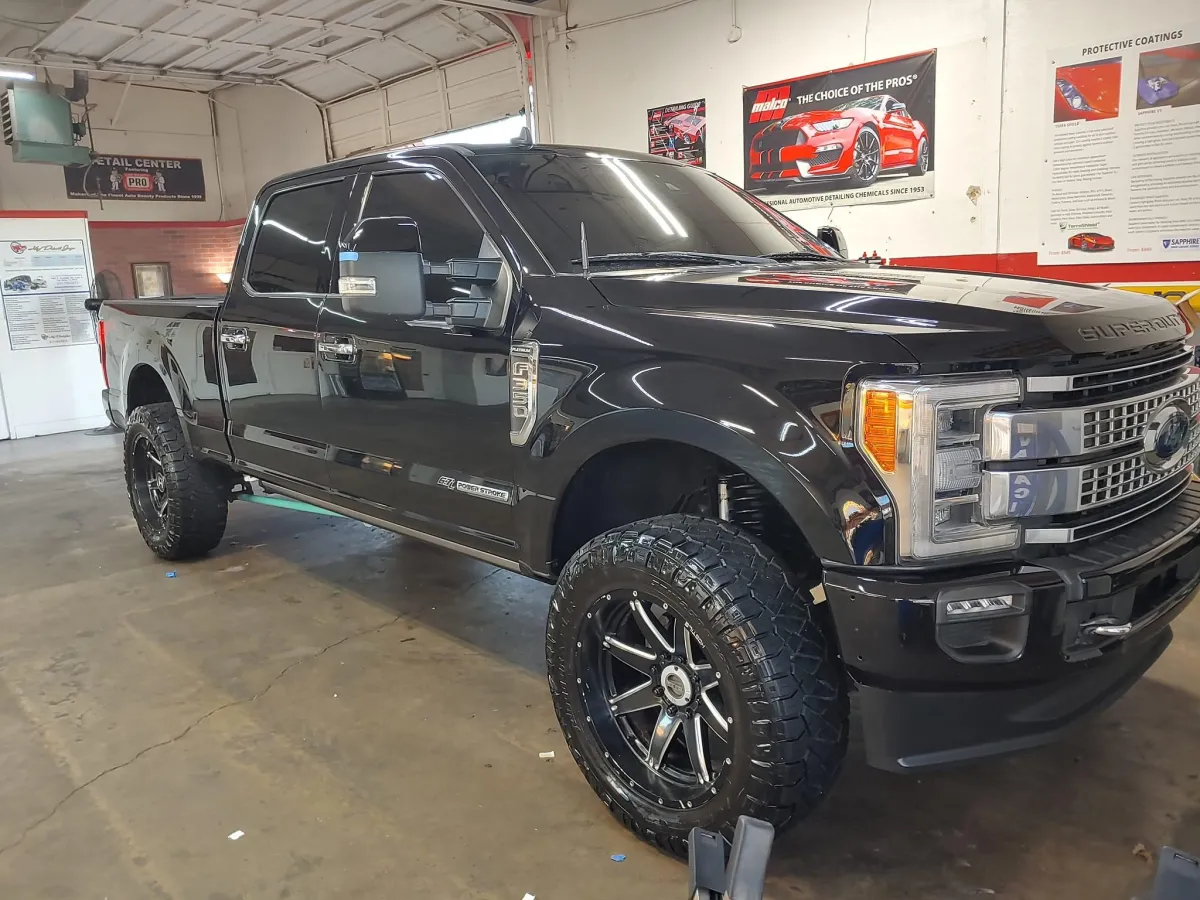
Full Detail Package
Deluxe from $199 | Supreme from $299
Complete interior and exterior transformation. Deep cleaning, decontamination, polishing, waxing, and protection. Includes engine bay cleaning, wheel detailing, and leather conditioning. Perfect for vehicles needing comprehensive care or pre-sale preparation.
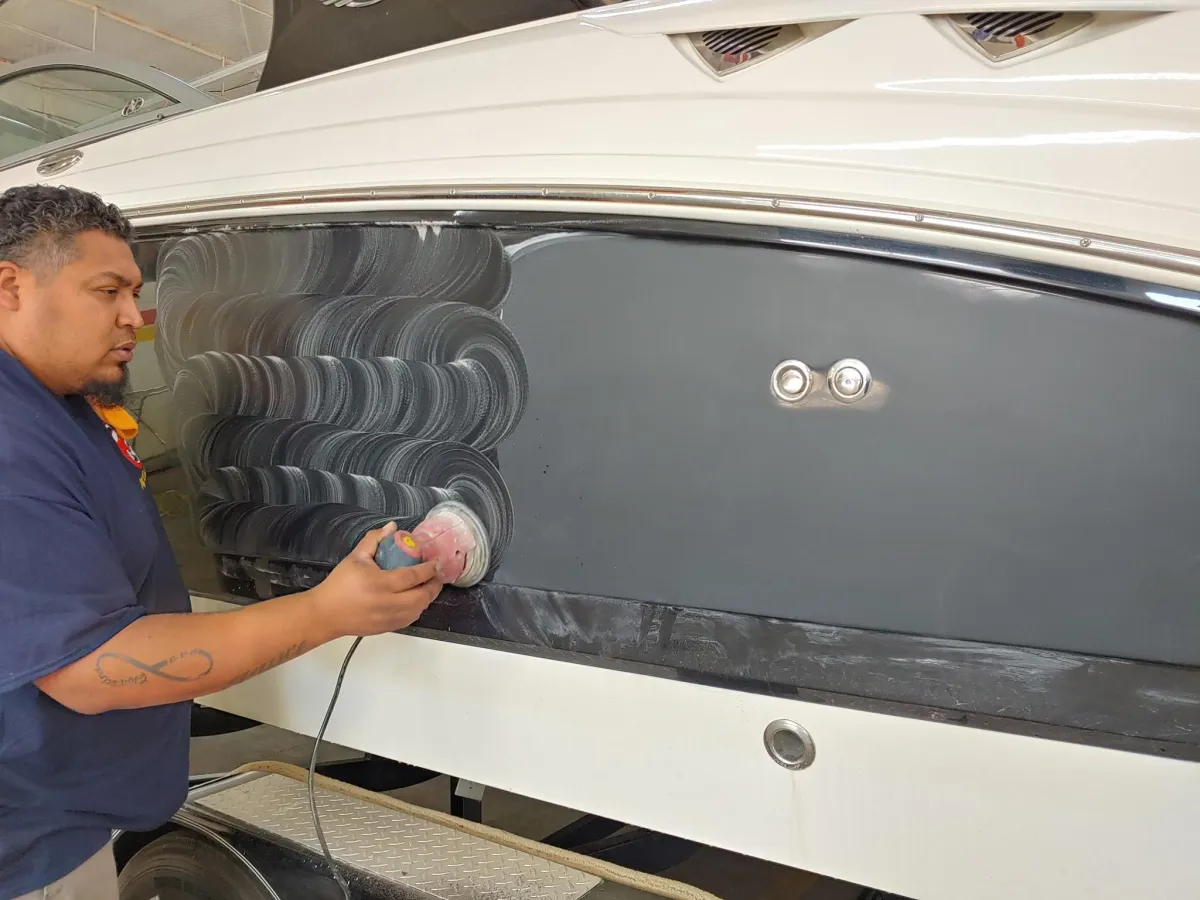
Ceramic Coating
Starting from $950 | 3-7 Year Warranty Options
Superior paint protection that lasts years, not months. Our multi-layer ceramic coatings create a hydrophobic, UV-resistant barrier that keeps your vehicle looking newer longer. Includes paint correction for a flawless finish before application. We offer Sio2 and Graphene Ceramic Coating.
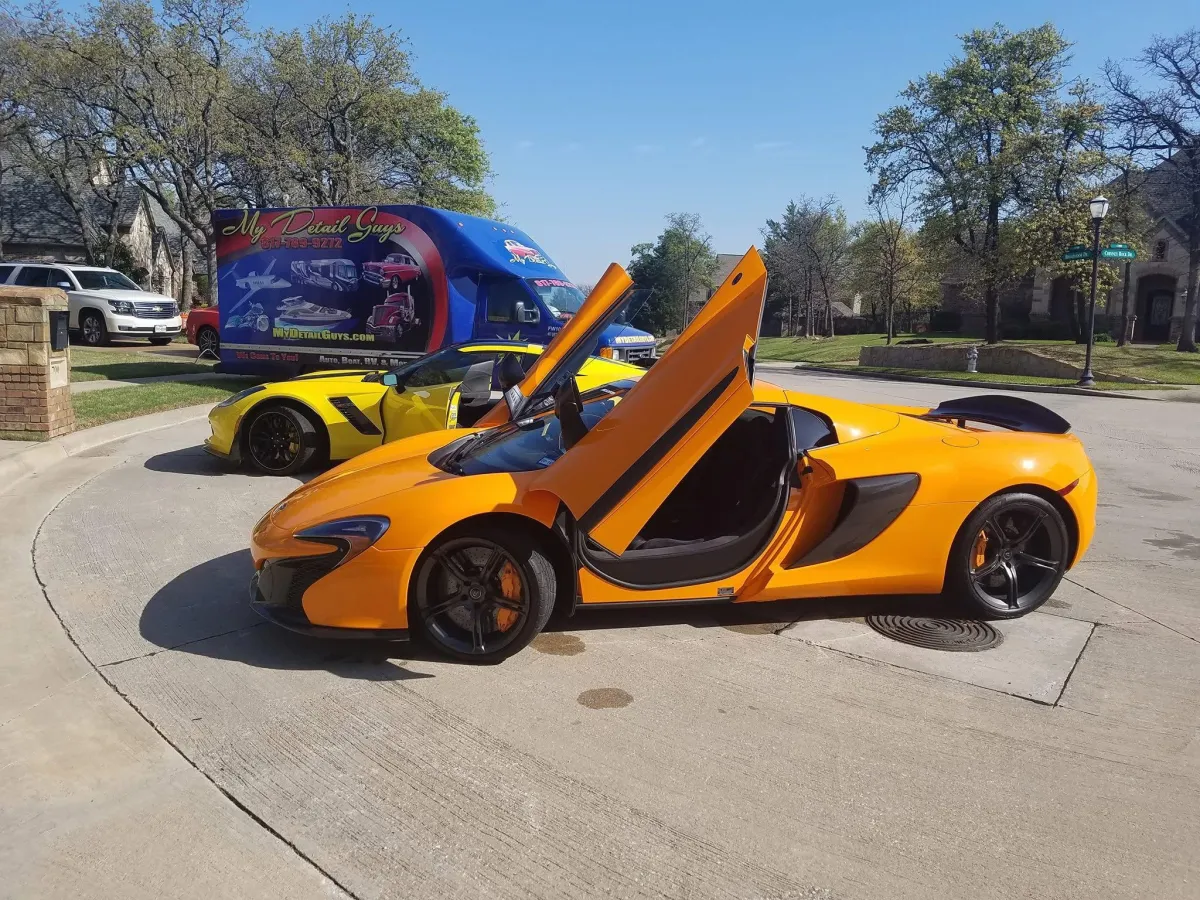
Mobile Detailing
Same-Day Service Available | Starting from $159
Professional detailing at your location. We bring everything needed—water, power, equipment, and
expertise. Choose from interior-only, exterior-only, or combined packages. Ideal for busy professionals, families, and fleet accounts.
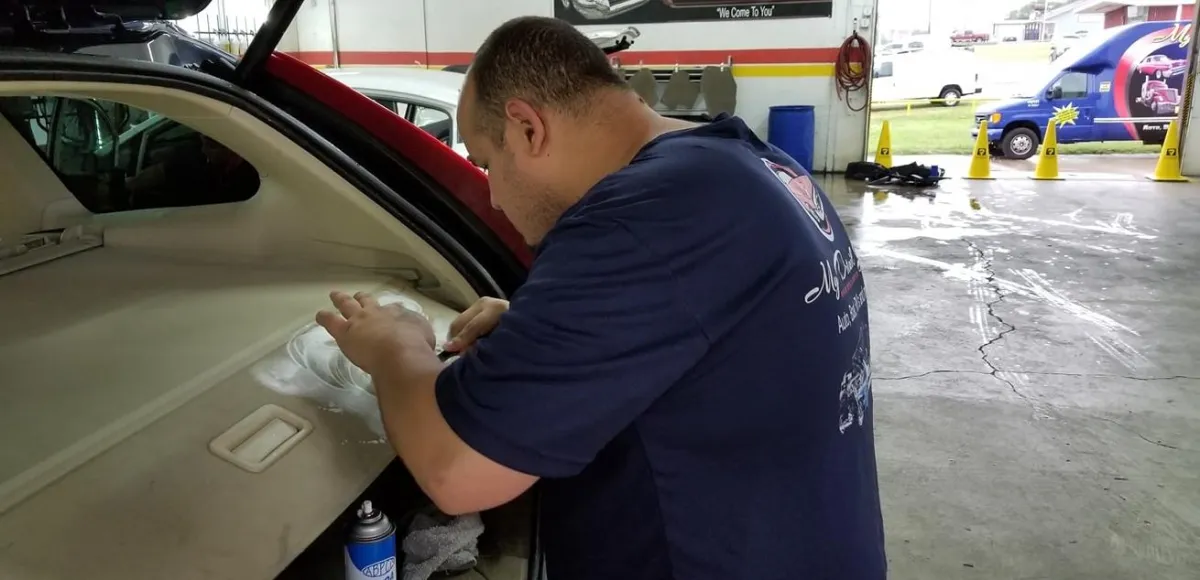
Interior Detailing
Deep Clean & Revitalize | From $139
Thorough interior restoration including vacuuming, shampooing, stain removal, leather conditioning, and odor elimination. We tackle pet hair, spills, smoke odor, and everyday grime. Your cabin will look and smell like new. Pet hair and odor removal are optional upgrades.
Exterior Detailing
Shine & Protect | From $139
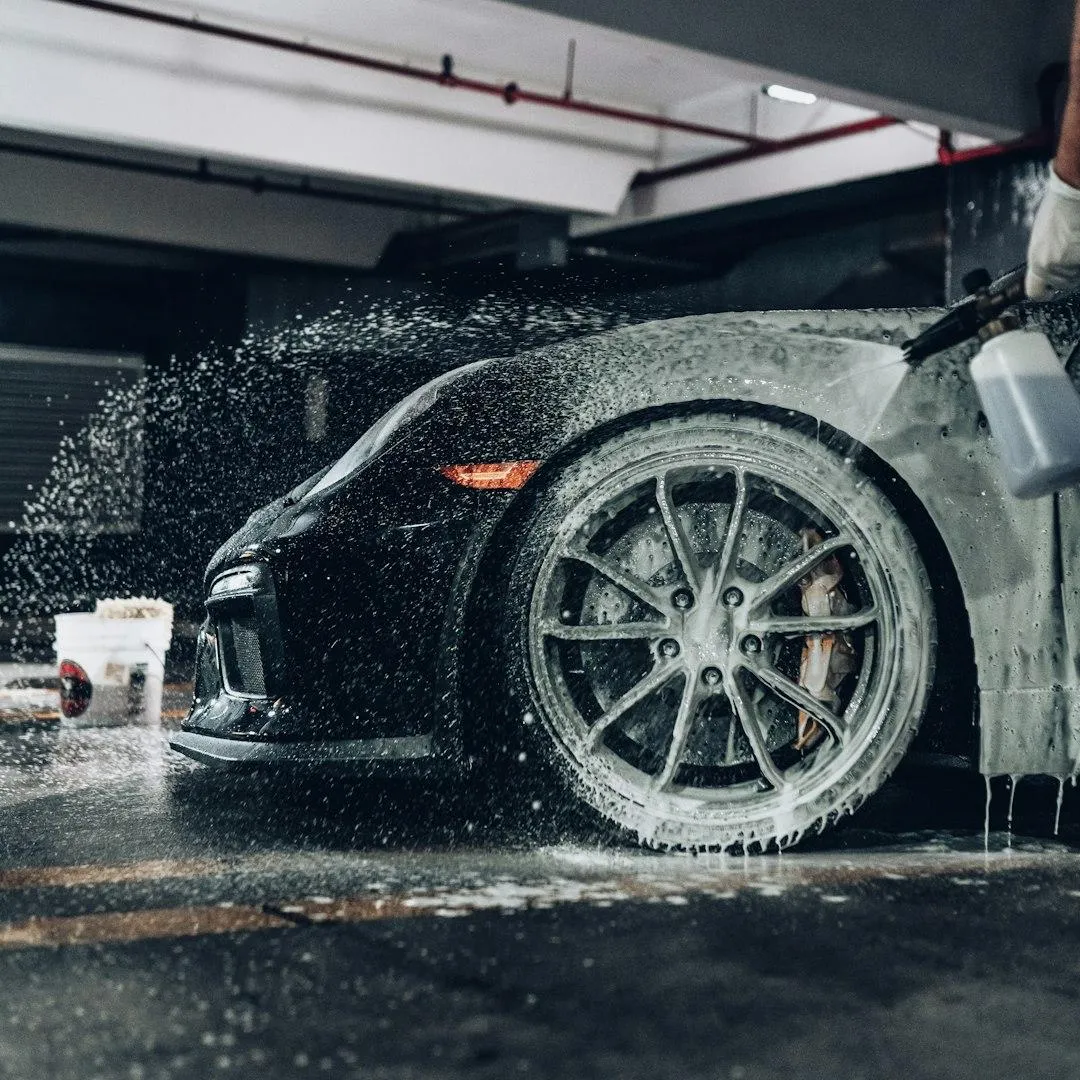
Complete exterior care including hand wash, clay bar decontamination, polishing, and premium wax protection. Wheel and tire detailing, trim restoration, and window cleaning included. Drive away with a showroom shine.
Boat & Jet-Ski Detailing
Marine Professionals | Flat-rate Pricing
Boat & Jet Ski Detailing in Fort Worth & DFW—mobile dock/slip or driveway service. Wash & dry, water-spot removal, stainless/brightwork polishing, gelcoat oxidation removal with UV wax or marine coating, interior/cockpit wipe-down, and optional cut & buff for restoration. Serving Eagle Mountain, Lake Worth, Grapevine, and Lewisville with marina-safe processes and flexible scheduling.
Aircraft Detailing
Custom Quotes | Certified Technicians
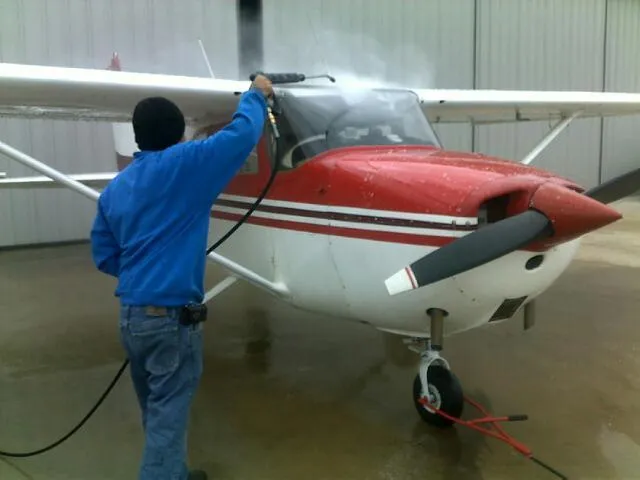
Aircraft Detailing in Fort Worth & DFW—mobile in-hangar service. Trip-ready exterior wash, brightwork metal polishing, oxidation/paint correction, de-ice boot cleaning, and aviation-safe interior sanitation. Ideal for owner-operators and flight departments; flexible scheduling and after-hours service.
RV Detailing
RV Specialists | Flat-rate Pricing
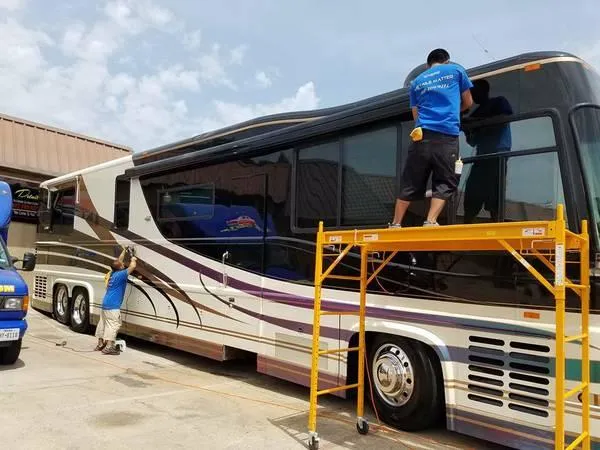
RV Detailing in Fort Worth & DFW—mobile on-site service. Exterior wash, bug/tar removal, oxidation/gelcoat restoration, roof wash & UV conditioning, wheel/tire shine, and optional interior deep clean. Perfect for Class A/B/C, fifth wheels, travel trailers, and toy haulers. Flexible scheduling and park-friendly setup.
Motorcycle Detailing
Pristine Shine | From $139
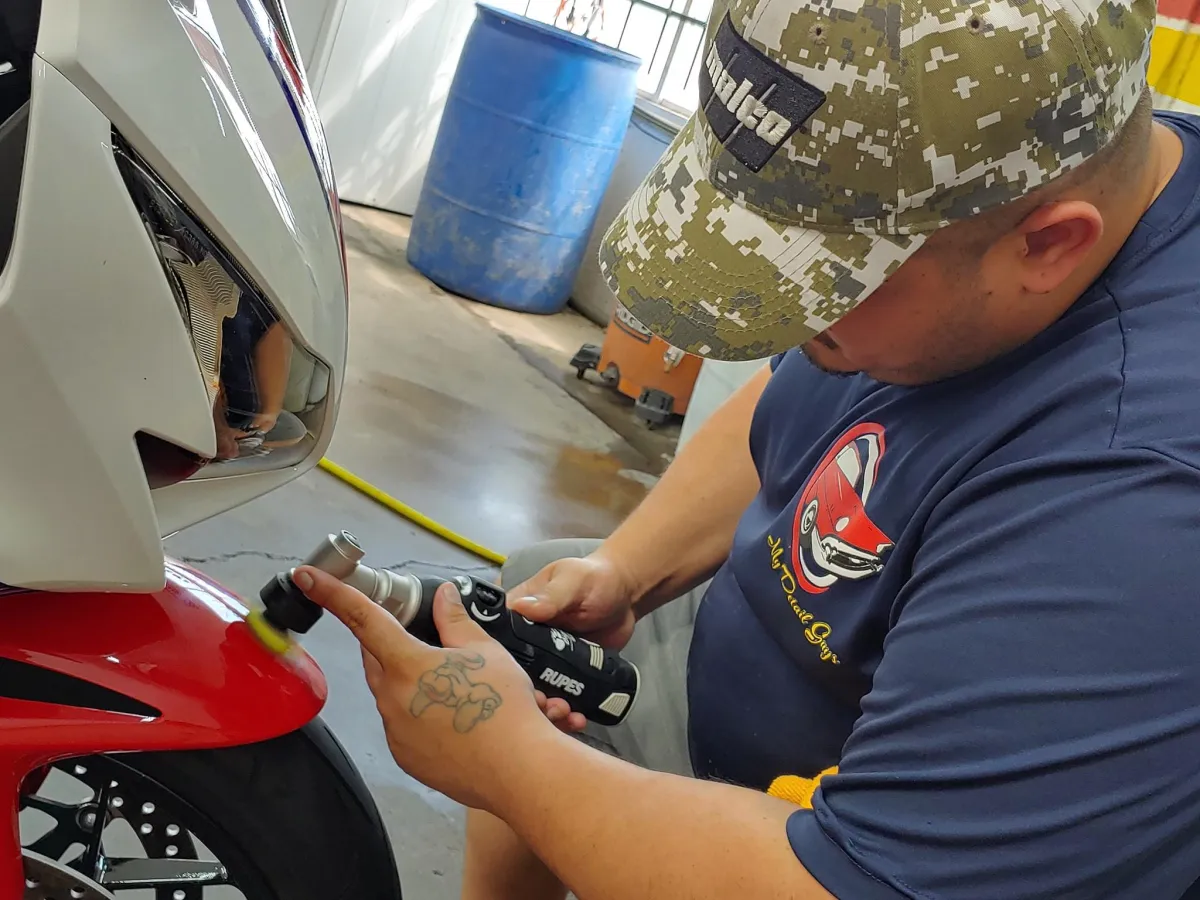
Motorcycle Detailing in Fort Worth & DFW—mobile on-site service. Hand wash & dry, bug/tar removal, chrome & aluminum polishing, paint correction for swirls, matte-safe cleaning, chain/wheel/brake caliper detailing, and optional ceramic protection. Fast turnaround for cruisers, sport bikes, and touring bikes—flexible scheduling.
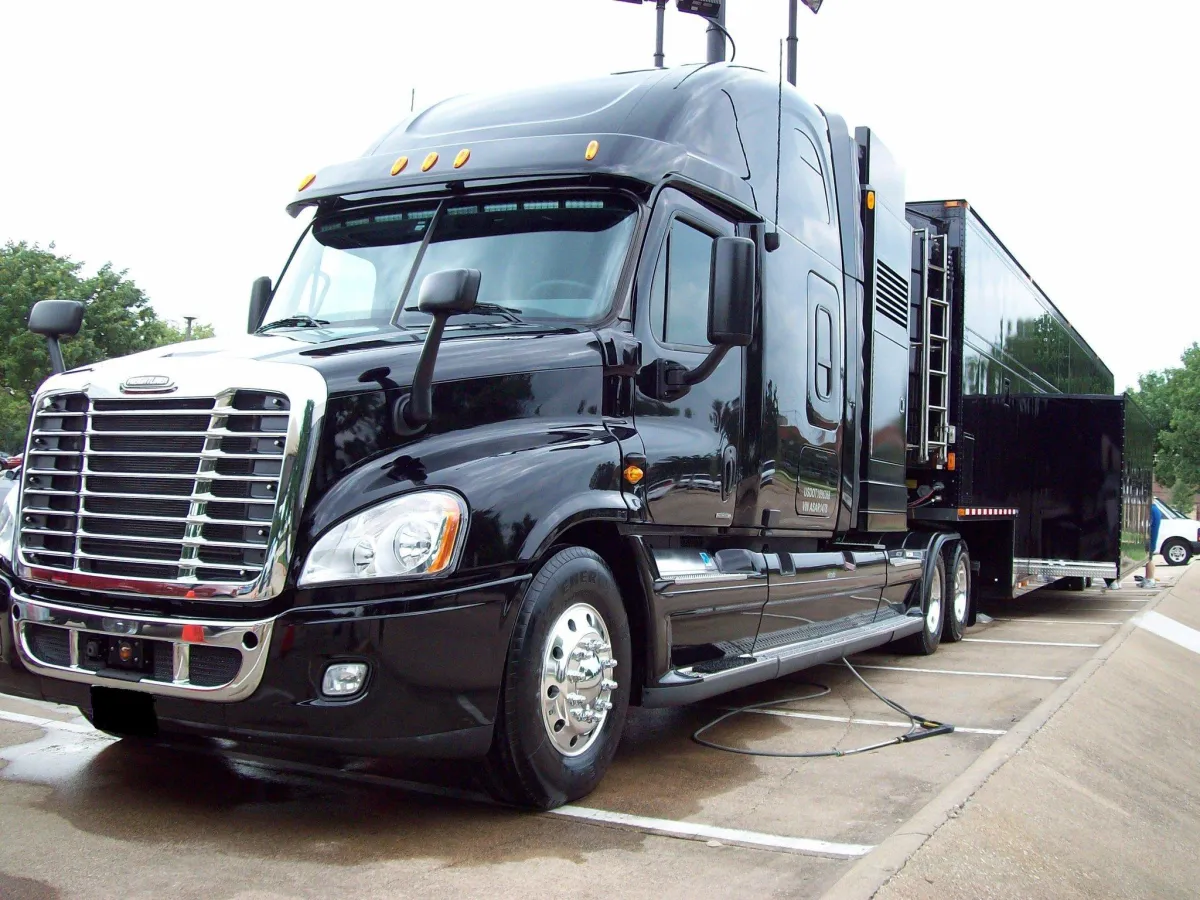
Semi-Truck Detailing
Semi-Truck Specialists | From $299
Semi Truck Detailing in Fort Worth & DFW—on-site or in-shop. Deep exterior wash, de-bug/de-tar, aluminum wheel & tank polishing, engine/undercarriage degreasing, and trailer washouts available. Ideal for owner-operators and fleets; flexible scheduling and after-hours service.
Specialty Services for Unique Needs
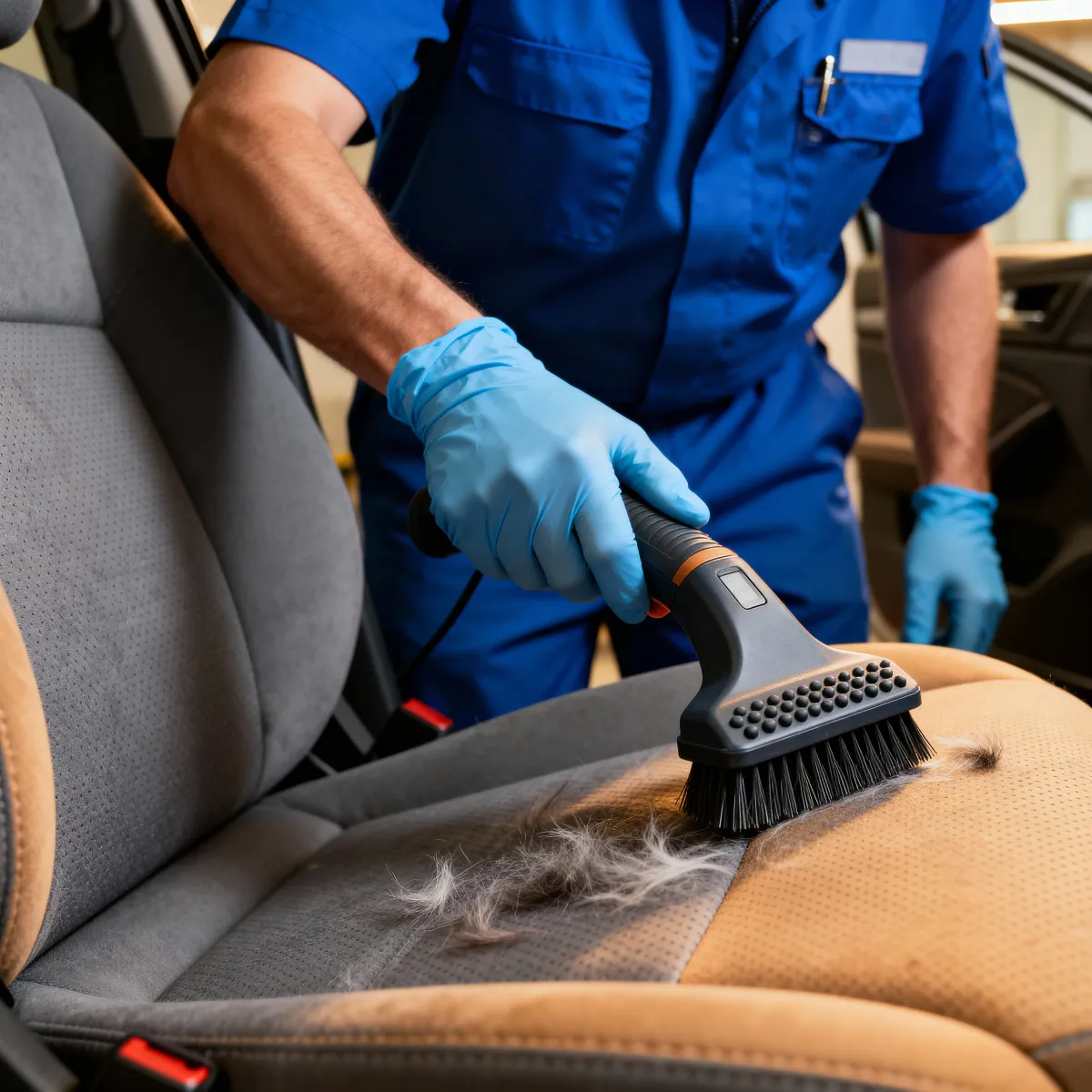
Pet Hair Removal
Stubborn pet hair removed from every surface—seats, carpets, vents, and cargo areas. We use specialized tools and techniques to extract embedded fur completely.
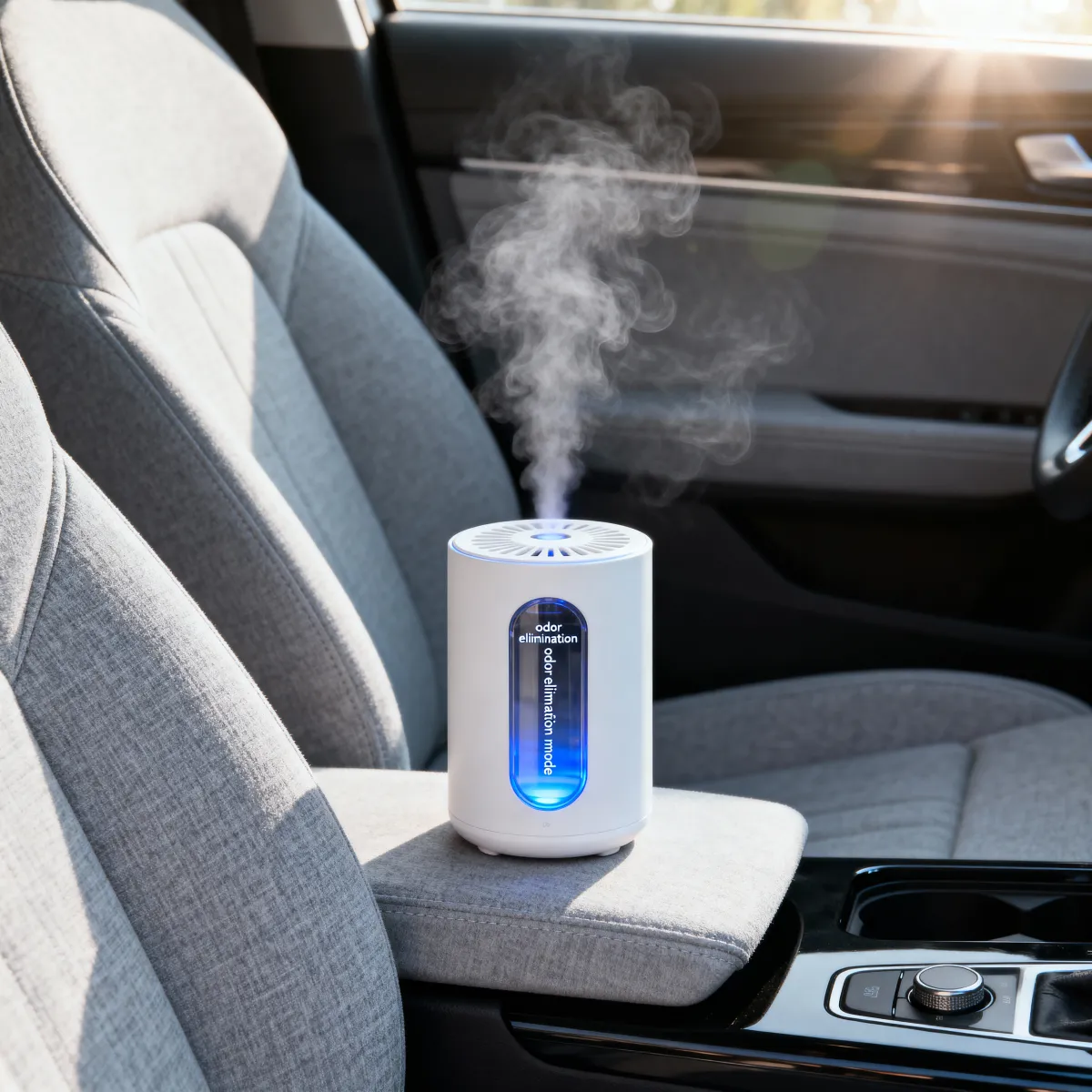
Smoke Odor Elimination
Advanced ozone treatment and deep cleaning to eliminate cigarette and smoke odors permanently. Not just masking—complete odor removal.
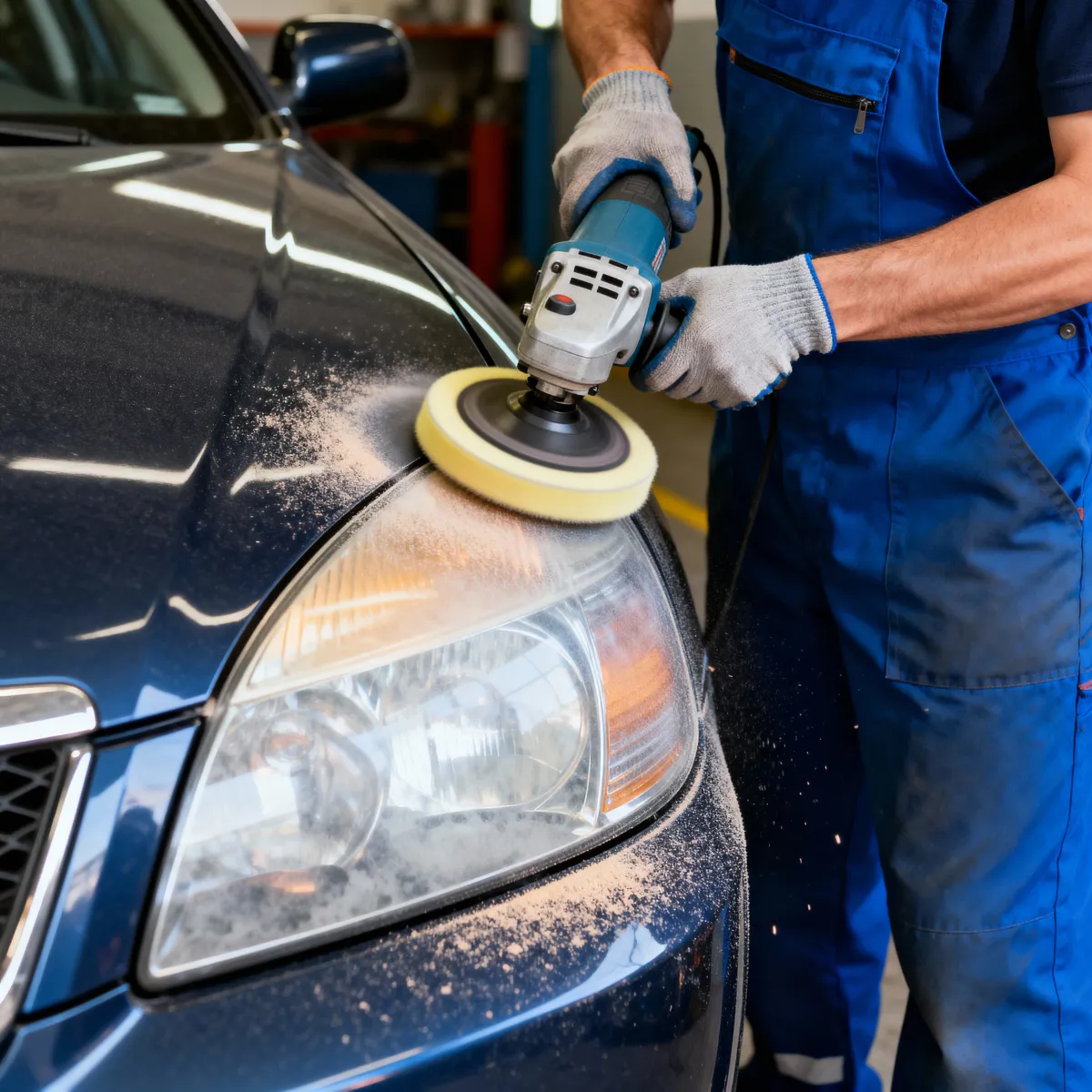
Headlight Restoration
Restore cloudy, yellowed headlights to crystal clarity. Improves nighttime visibility and vehicle appear ance.
Serving Fort Worth and Surrounding Communities
We proudly provide mobile and shop detailing services throughout the Fort Worth metro area, including:
Fort Worth - (all neighborhoods)
Arlington - Mobile service with same-day options
Mansfield - Residential and commercial detailing
Benbrook - Full mobile coverage
Grapevine - Near DFW Airport detailing
Keller - Premium detailing services
Southlake - Luxury vehicle specialists
Can’t find your area? Call us—we may be able to accommodate your location.
The My Detail Guys Process – What to Expect
Book Your Service
Choose your service, select a date and time, and provide vehicle details through our online calendar or by phone. Mobile customers provide their location.
We Arrive Ready
For mobile service, our technicians arrive with all equipment, water, and supplies. Shop appointments include a quick vehicle inspection and service confirmation.
Meticulous Detailing
Our certified team follows proven processes for each service. We take our time to ensure every inch meets our quality standards.
Final Inspection & Walkthrough
Before we finish, you’ll review the work with our technician. We want you completely satisfied.
Enjoy Your Refreshed Vehicle
Drive away with confidence. We’ll provide care tips to maintain your vehicle’s appearance between de tails.
My Upholstery Guys
Need Auto Upholstery Repair?
From torn seats to complete interior restoration, our sister company My Upholstery Guys handles all upholstery and interior repair needs. Leather repair, seat replacement, headliner restoration, and custom work.
Ready to Experience the My Detail Guys Difference?
Fort Worth’s most trusted detailing service is just a call or click away. Over 20 years of experience, same-day availability, and a commitment to exceeding expectations on every vehicle.
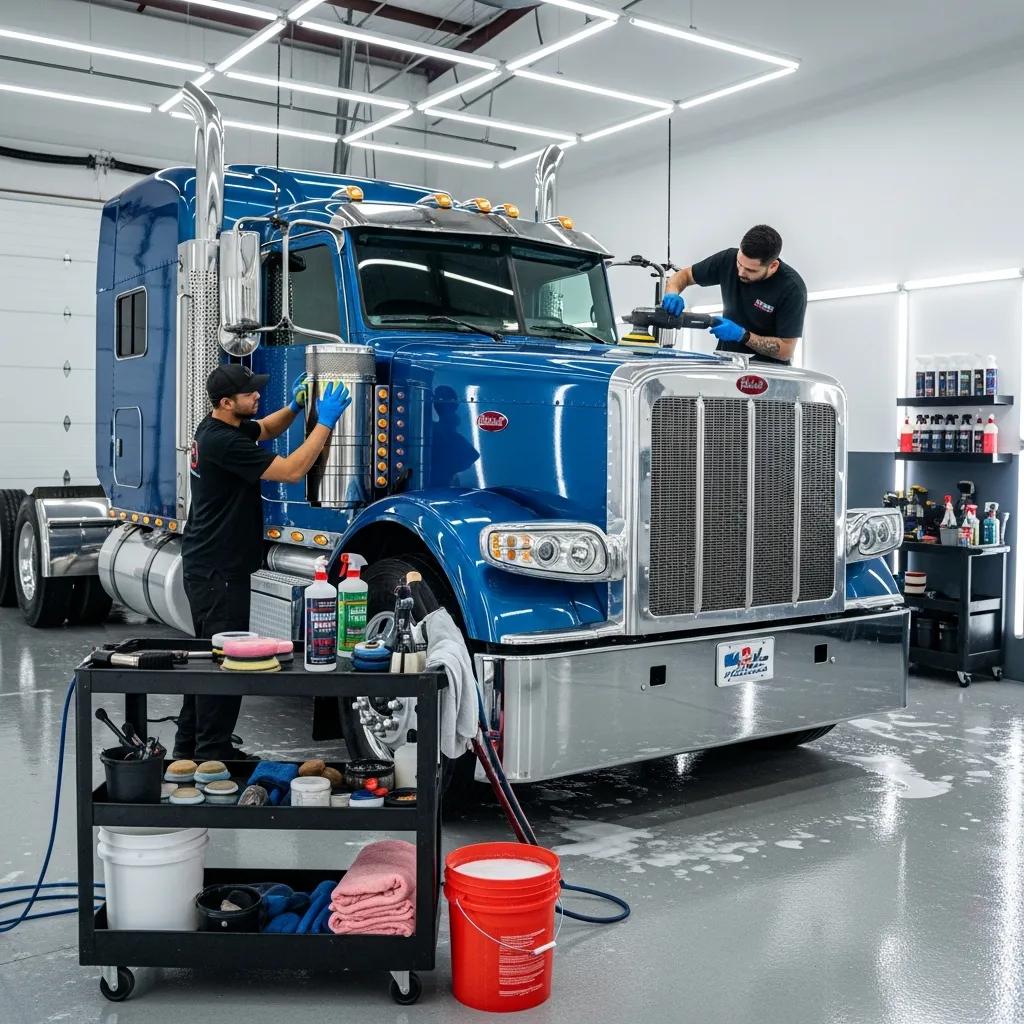
Professional Fleet Detailing Options for Your Semi Trucks
Reliable fleet detailing solutions enhance the appearance and longevity of all semi trucks, ensuring they look professional and maintain value on the road. ...more
Vehicle Detailing Benefits & Tips | My Detail Guys
April 12, 2026•6 min read
The Real Reason a Clean Car Just Feels Better
Discover the psychology of a clean car! My Detail Guys in Fort Worth shows how detailing impacts your well-being. Explore the benefits. ...more
Vehicle Detailing Benefits & Tips | My Detail Guys
April 01, 2026•5 min read
Professional Ceramic Coating Guide: Benefits, Application & Cost | My Detail Guys
My Detail Guys offers professional ceramic coating in Fort Worth. Get a durable, glossy finish and protect your car. Call now! ...more
Ceramic Coating: Benefits and Advice for Your Vehicle (2026)
January 21, 2026•9 min read
Business Hours:
Mon-Fri: 7AM-5PM
Sat: 7AM-4PM
Sun: Closed
Car Detailing Gift Cards – The Easiest Gift for Fort Worth Drivers
Car detailing gift cards are the perfect way to give someone a clean, fresh-feeling vehicle without guessing what package they need. Whether it’s for birthdays, holidays, employee rewards, or “thank you” gifts, My Detail Guys lets them choose the service that fits their car and schedule. Our mobile team comes to their home or office anywhere in the Fort Worth area, so they don’t have to sit in a waiting room or rearrange their day. Load the amount you want, send it digitally, and let us handle the dirty work.
If you would like to purchase online, click the button below. We also offer physical gift cards in-store.
Come See Your Fort Worth Detail Pros!
Contact Us
817-532-6904
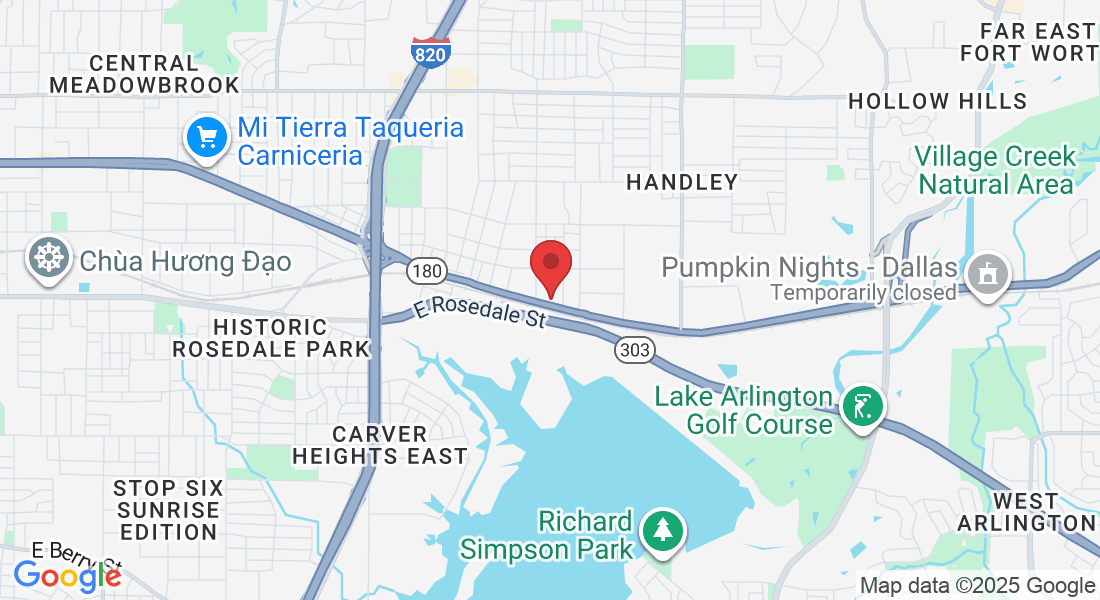
6925 E Lancaster Ave, Fort Worth Texas 76112


