Auto Detailing
Mobile Detailing Full Detail Interior Detailing Exterior Detailing Car Odor Removal Flooded Car RestorationPaint Protection
Ceramic Coating Ceramic Coating Boost Paint CorrectionSpecialty Vehicles
Boat Detailing RV Detailing Semi-Truck Detailing Motorcycle Detailing Cargo Trailer DetailingMy Detail Guys · Fort Worth, TX · Interior Care & Detailing Tips
The Real Reason a Clean Car Just Feels Better
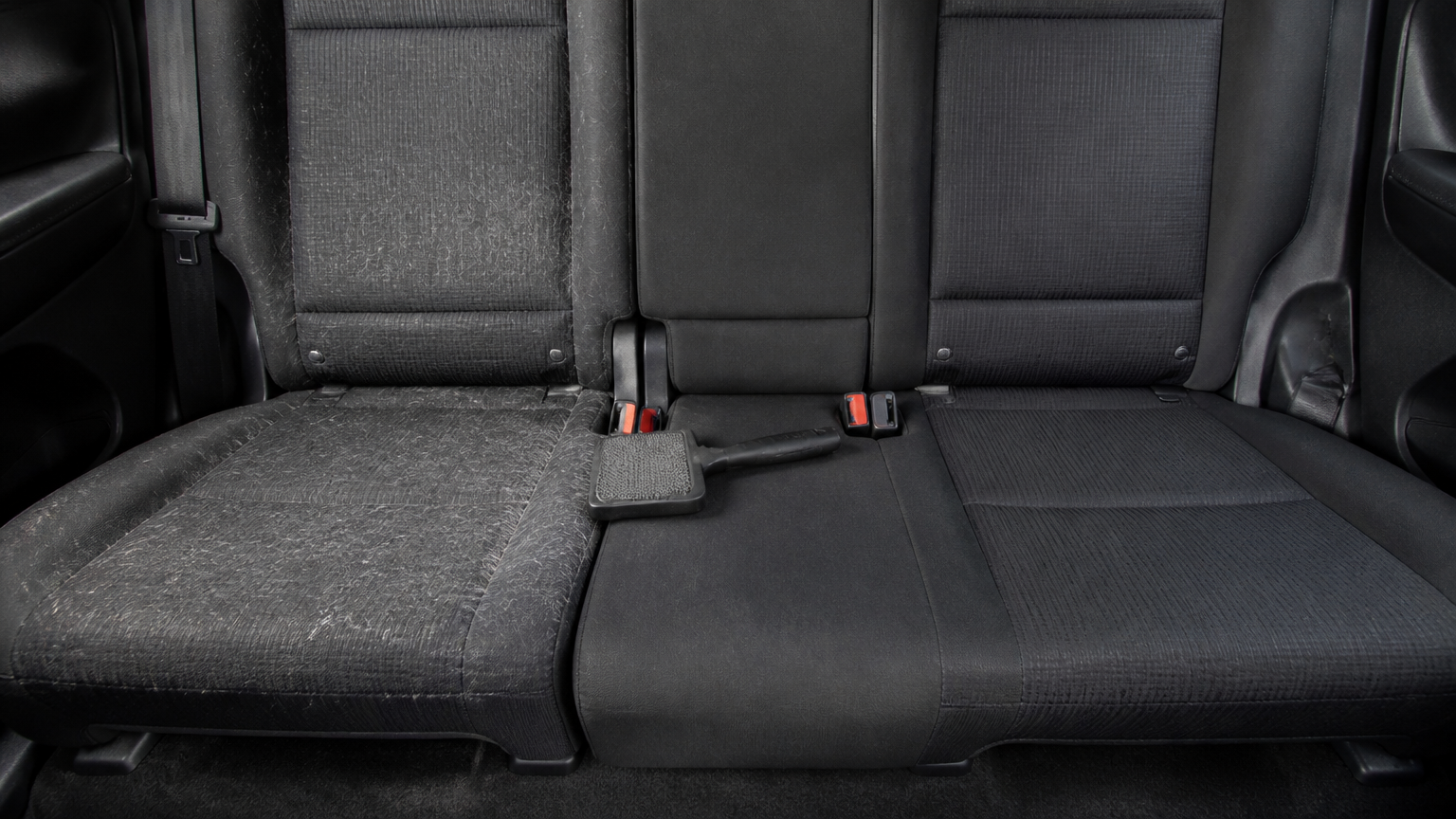
Interior Detailing in Fort WorthYou already know a detailed car looks better. What's harder to explain is why Fort Worth drivers who keep their cars detailed keep telling us the same things: they feel less stressed behind the wheel, more confident pulling into meetings, and more on top of things in general. That isn't a coincidence. There's real psychology behind it, and it goes deeper than liking a shiny car.
Why Does a Clean Car Feel So Much Better?
The short answer
Your car is a small, closed space you spend close to an hour in every day. When it's cluttered and neglected, that mess quietly pulls at your attention and colors how you see yourself. When it's clean and cared for, it gives you a calm space and a sense of control that follows you out of the car.
Clean Car Psychology: Your Car as an Extension of You
Psychologists have studied the "extended self" for decades. In short, the things we own and use every day become part of how we see ourselves. Your car is one of the most visible, most-used things you own. When it's trashed (crumbs in the seats, stains on the headliner, oxidized paint), your brain registers that as a reflection of you. Not consciously, but it's happening. A clean, well-kept vehicle sends the opposite signal, to other people and, more importantly, to yourself.
The Broken Windows Effect in Your Car
In the early 1980s, criminologists James Q. Wilson and George Kelling argued that visible neglect, like a single unrepaired broken window, invites more disorder. Your car works the same way. One coffee stain gets ignored. Then the floor mats go. Then the back seat becomes a storage unit. Each step makes the next one feel normal.
Detail the interior and watch how fast you stop tossing wrappers in the back. A clean space sets the standard, and people tend to rise to match it.
How a Clean Car Boosts Your Confidence
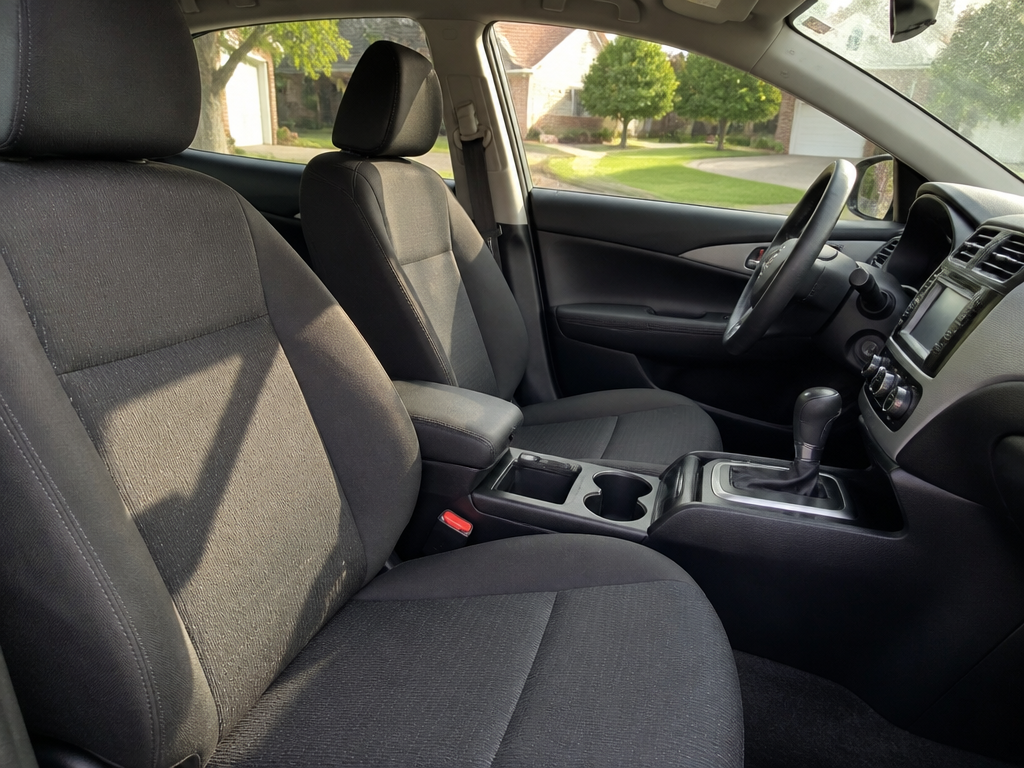
Research on "enclothed cognition" found that what people wear changes how they think. In a well-known study, participants wearing what they were told was a lab coat paid closer attention on tests. Your vehicle sends the same kind of signal on a bigger scale. The business owner who pulls up to a client in a freshly detailed truck makes an impression before saying a word. They also feel different walking in, without that low-level worry that someone will look too closely at the car. That confidence is earned by deciding to take care of something.
Car Clutter and Stress: The Cognitive Tax
Neuroscience research has found what most people already feel: visual clutter competes for your attention and taxes your focus even when you aren't aware of it. Your car's interior is a closed visual field, and you're stuck with whatever's in it. Junk on the dash, a pile on the passenger seat, haze on the inside of the windshield all take a little of your attention on every drive. A clean interior clears that away. It's easier to stay calm in traffic and to arrive ready instead of already drained.
Regular Car Detailing as a Reset Routine
People who perform well tend to keep routines like morning habits, warmups, and wind-downs, because the routine itself tells the brain it's time to switch modes. A regular detail on the calendar works the same way. It's a scheduled reset that returns the car to baseline every few months. Over time, that rhythm becomes a standard you hold the car to, and some of it rubs off on everything else. The message is simple: I'm someone who takes care of things.
Paint Damage and the Stress of Putting Off Maintenance
Putting off maintenance creates background worry. You know the clear coat is fading. You know there are swirl marks across the hood, and that they're getting worse. That knowledge sits somewhere in the back of your mind. A proper detail, and especially paint correction or a ceramic coating, closes that loop. The car is where it should be and nothing is getting worse. That relief counts for more than people expect.
Why Fort Worth Weather Punishes a Neglected Car
DFW's climate is hard on vehicles. Intense UV, long summers, hail season, and highway debris make neglect compound faster here than in most of the country. Paint that's a little dull in March is chalky by August. An interior that's a little grimy in spring has a baked-in smell by July. Keeping up with detailing in Fort Worth isn't perfectionism. It's the sensible response to a climate that punishes waiting.
How to Keep Your Car Clean Longer
- Empty trash every time you get gas
- Keep a small bin or bag in the car
- Shake out floor mats weekly
- Wipe the dash and touch points weekly
- Wash bugs and bird droppings off fast
- Full detail once or twice a year
Protection makes all of this easier. Sealed paint and protected interior surfaces shed dirt instead of holding it, so the car stays clean longer between washes. If there's a dog in the picture, our pet hair removal guide will save you a lot of vacuuming. When you're ready for a full reset, a full detail or an interior detail is the place to start. Prices are in our car detailing cost guide.
Clean Car Benefits
Frequently Asked Questions About the Benefits of a Clean Car
Does a clean car really reduce stress?
For many people, yes. A cluttered space keeps pulling at your attention, and the car is a small, closed space you sit in every day. Removing the visual noise makes the drive feel calmer, which is why people often say the car drives better after a detail even though nothing mechanical changed.
How often should I clean my car to keep it feeling fresh?
A quick reset weekly (trash out, mats shaken, a wipe of high-touch surfaces) and a full professional detail once or twice a year keeps most daily drivers in good shape.
Why does my car get dirty again so fast after a cleaning?
Usually because nothing was protecting the surfaces. Bare paint and untreated interior surfaces grab dust and grime, while a protected surface sheds it. A sealant outside and a protectant inside slow the slide back to dirty.
Does keeping a car clean help resale value?
Yes. A clean, well-kept interior and protected paint are among the first things a buyer or dealer judges. Stains, odors, and faded paint all pull the offer down, and they are much cheaper to prevent than to fix.
Car Detailing · Fort Worth & DFW
Book a Full Detail in Fort Worth
Let us do the full reset, inside and out. In the shop on East Lancaster Ave or mobile at your home or office.
View Full Car Detailing →What Our Customers Say